Review · Drones & FPV
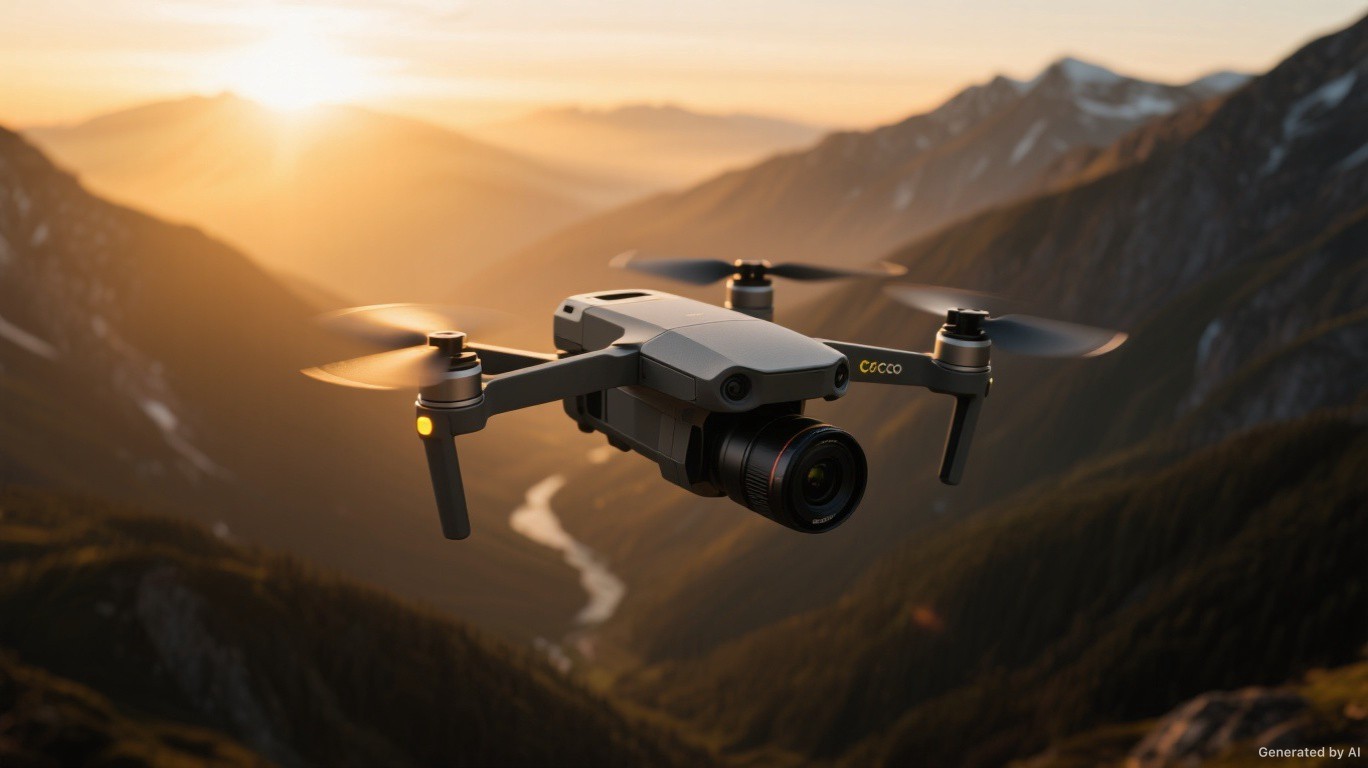
DJI Air 3S Review: The Travel Drone That Finally Makes Sense
Two cameras, a one-inch sensor and smarter subject tracking. Where the Air 3S fits in DJI's lineup — and who should skip it.
Two cameras, a one-inch sensor and smarter subject tracking. Where the Air 3S fits in DJI's lineup — and who should skip it.
Start with the gear you are shopping for.
In-depth analysis, clear verdicts, no sponsored scores.
A hybrid USB/XLR microphone with onboard DSP and a built-in preamp. Who it suits, and when a cheaper interface makes more sense.
A bigger sensor, smarter noise handling and a screen that actually helps. How it compares with GoPro once the sun goes down.
A faster chip, the same silent fanless body. Why the base model still covers more work than most buyers expect.
A lighter headset, passthrough cameras and better comfort — but the ecosystem still asks a lot of first-time pilots.
Two products, one decision. We line up the differences that matter.
One is half the price, the other has a triple camera. We flew both over the same coastline to see where the extra money shows up.
Read the comparisonShortlists built around budget, use case and what you already own.
Five folding drones, one checklist: weight, wind resistance, flight time and how much editing the footage needs.
Photo-first bodies that still shoot usable video — compared on autofocus, overheating, card slots and lens prices.
Gamut coverage, uniformity and calibration options compared across 27-inch and 32-inch panels.
The knowledge behind the spec sheet, written for buyers — not engineers.
TechUnpacked is an independent publication. We separate what we tested from what we analysed, cite our sources, and update articles when products or prices change.
Read our review methodologyEvery article starts with primary sources, official specifications and price history.
Hands-on testing is labelled clearly. Spec analysis is never dressed up as field testing.
Update dates and change notes tell you what has changed since publication.